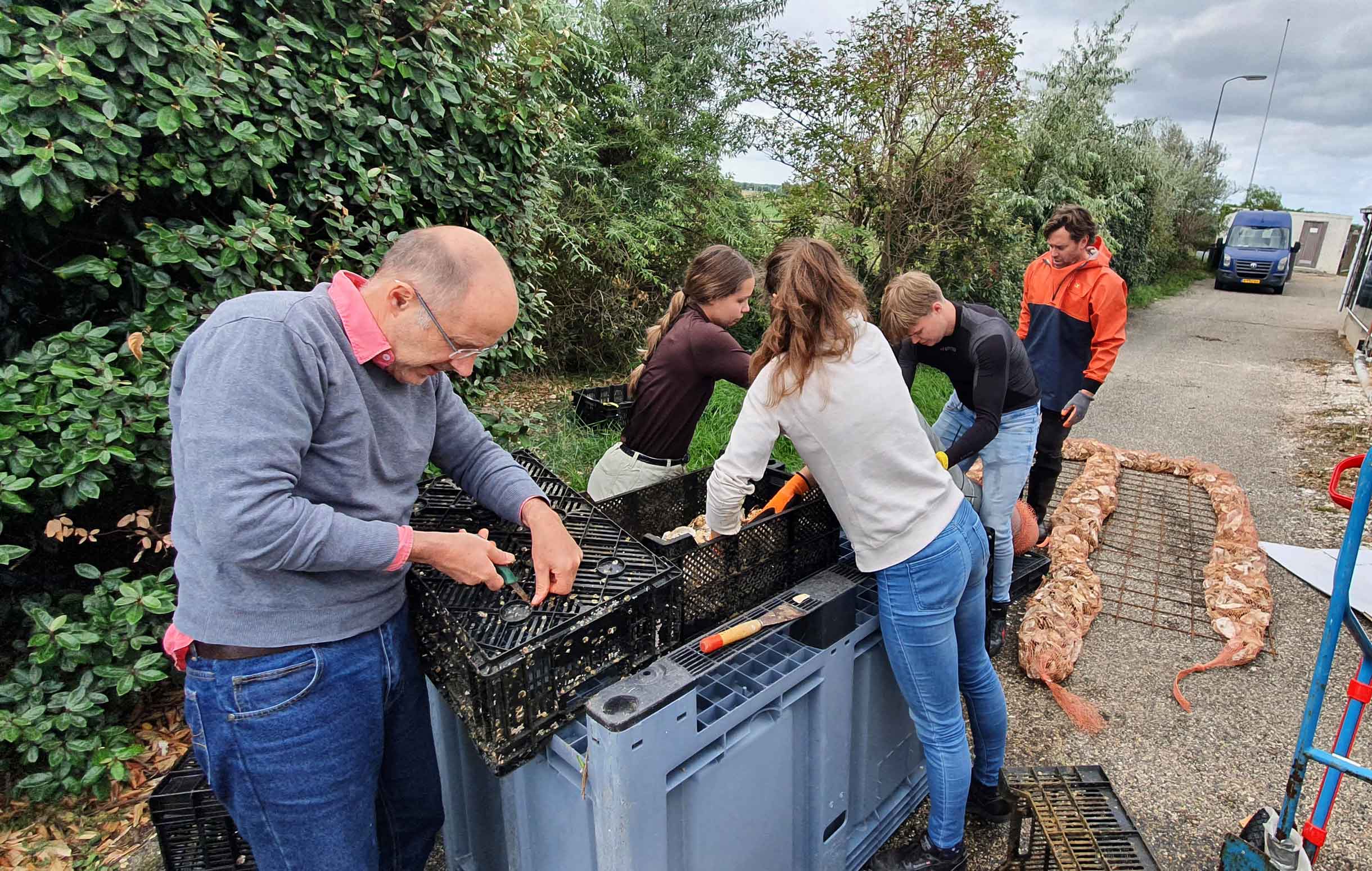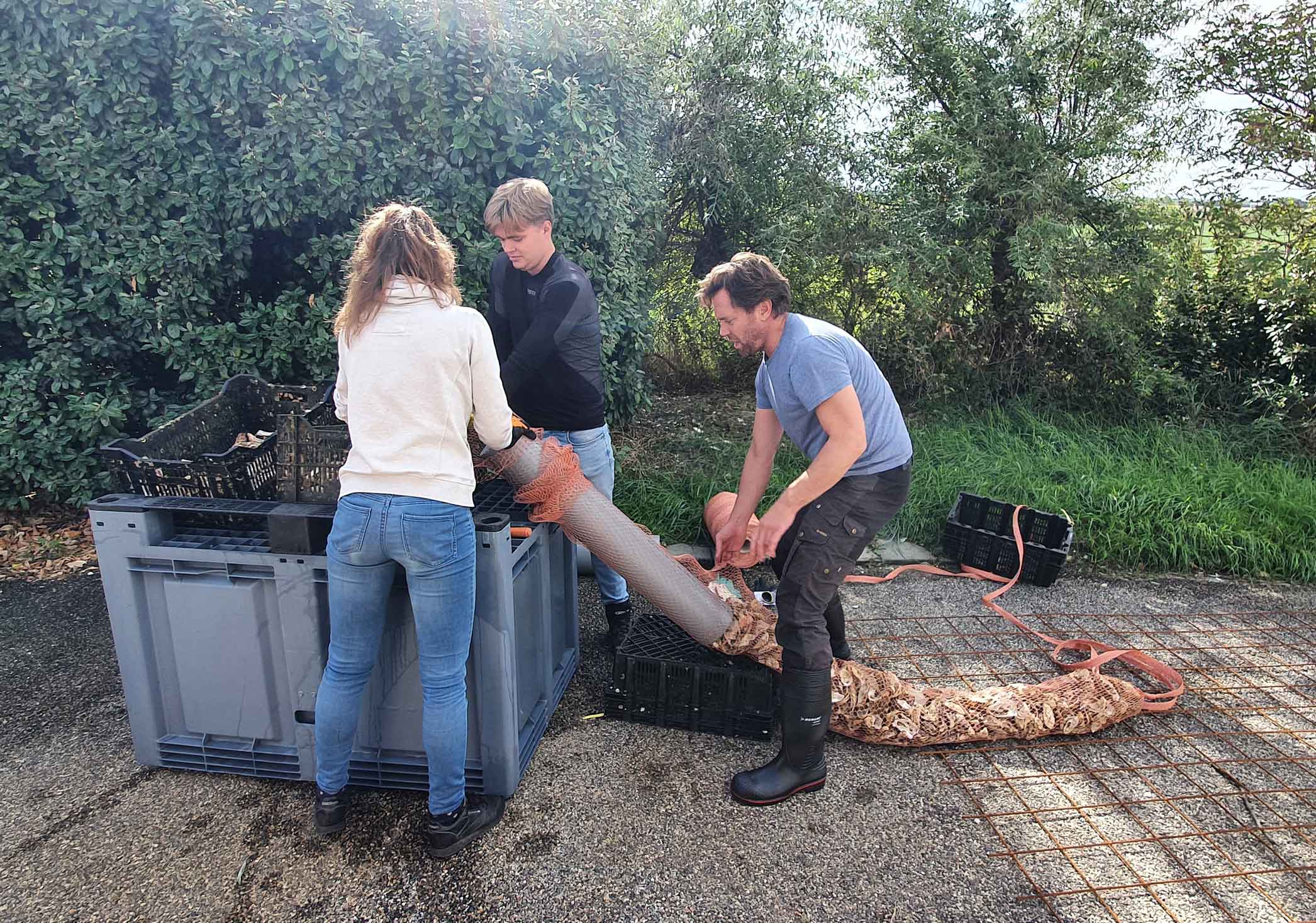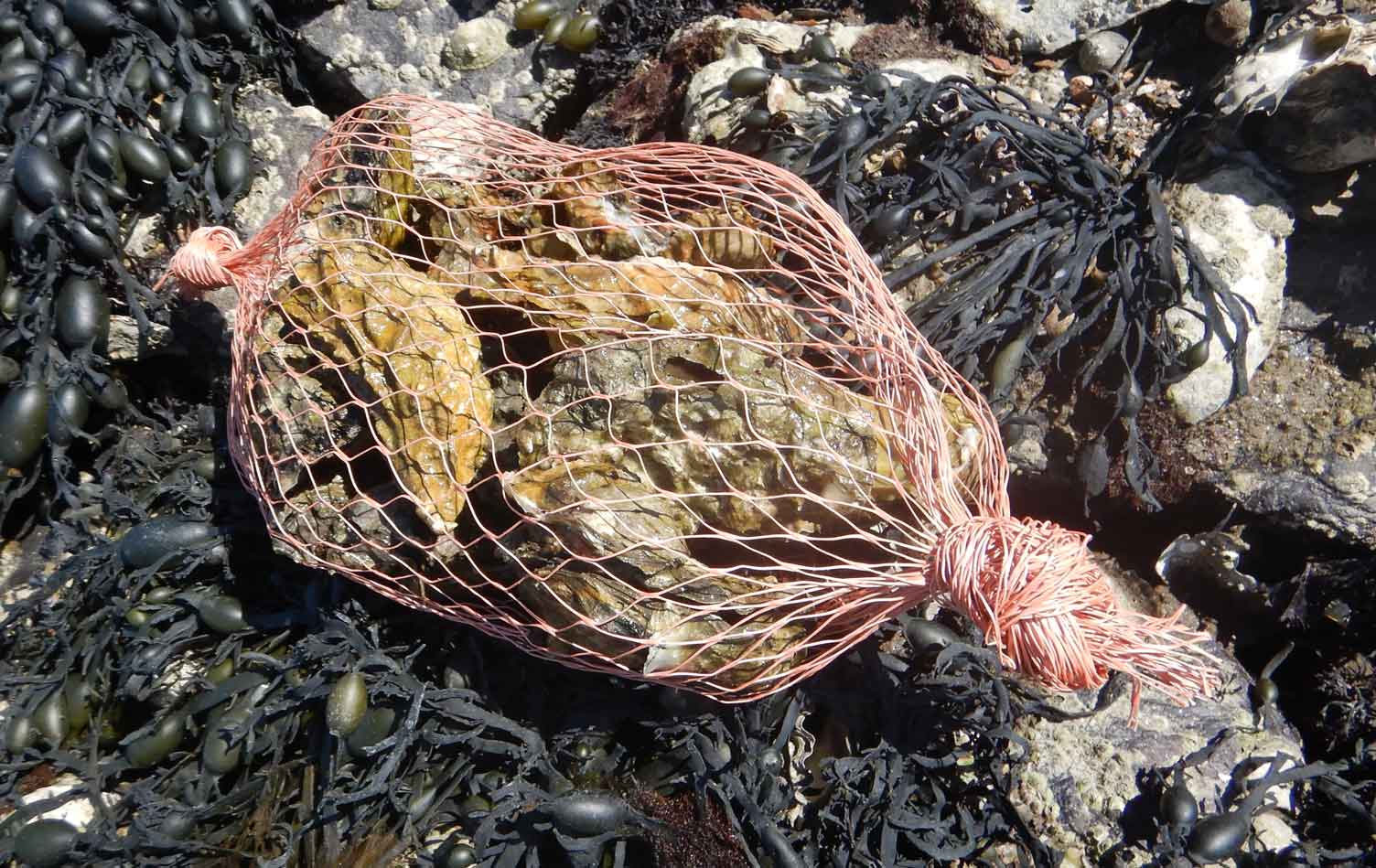


BESE-mesh biopolymer is made of a starch biopolymer derived from potato waste, and is the biodegradable alternative for plastic mesh. The main application for BESE-mesh is in oyster reef restoration, where it can be used to create bags of dead oyster shells. After oysters have established on the dead shells, the mesh bags break down, leaving only a thriving oyster reef behind.

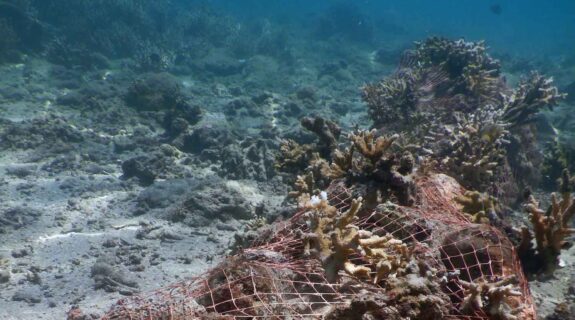
Biodegradable alternative for plastic mesh
Oyster reef restoration efforts all over the world use plastic mesh bags. This plastic remains in, and pollutes the ecosystem. BESE-mesh is made of biodegradable biopolymer. After oysters have established, BESE-mesh breaks down leaving only a natural oyster reef behind.
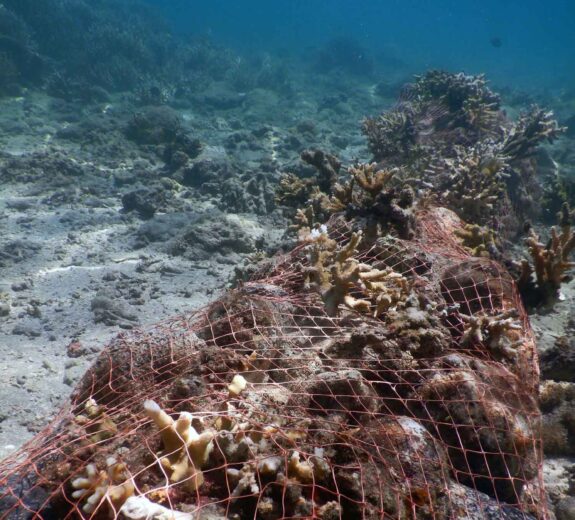
Besides oyster reef restoration, BESE-mesh can also function as a grow-bag for aquatic vegetation. When filled with coral rubble or stones, the bags can serve as an artificial reef or wave breaker for kickstarting coral reef restoration. Many further uses are possible.
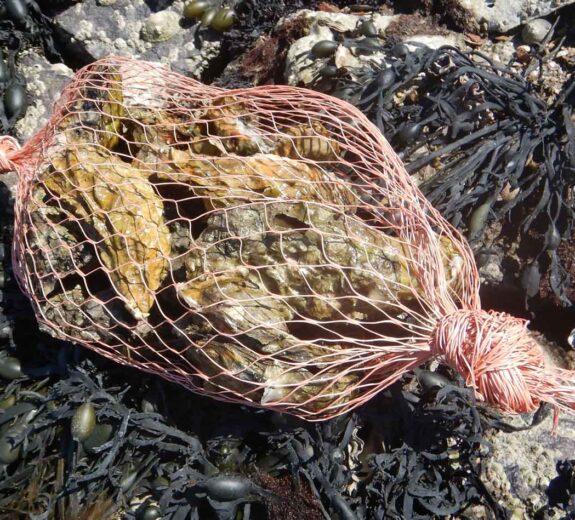
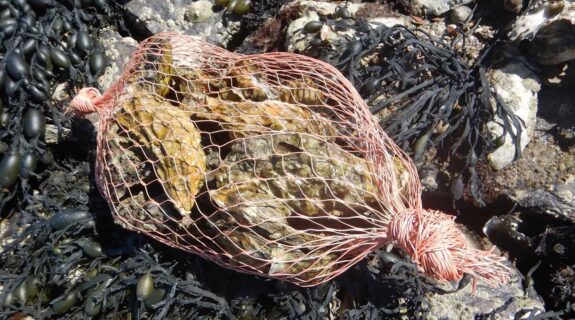
Global applications in oyster reef restortation
BESE-mesh is being used all over the world for the restoration of oyster reefs. Along the east and west coasts of the United States, BESE-mesh is helping in efforts to restore the eastern oyster (Crassostrea virginica). In Europe, BESE-mesh is being used to restore the European flat oyster (Ostrea edulis) in wind farms in the North Sea, and also along parts of the French coast. In Asia and Australia, BESE-mesh is being used in projects to restor of rock oysters (Saccostrea).


Optimizing our materials
A major challenge of working throughout the world is finding the optimal degradation time. Each ecosystem has different climates and conditions, which affects the speed at which BESE-mesh is broken down. Biodegradation is faster in tropical climates like Florida, and much slower in colder areas like the North Sea.
At BESE, we are continually striving to improve our products even further. Therefore, we are designing multiple types of BESE-mesh to ensure optimal degradation in different climate zones. Field testing of these new types is set to commence soon, so stay tuned for updates on this exciting development.