


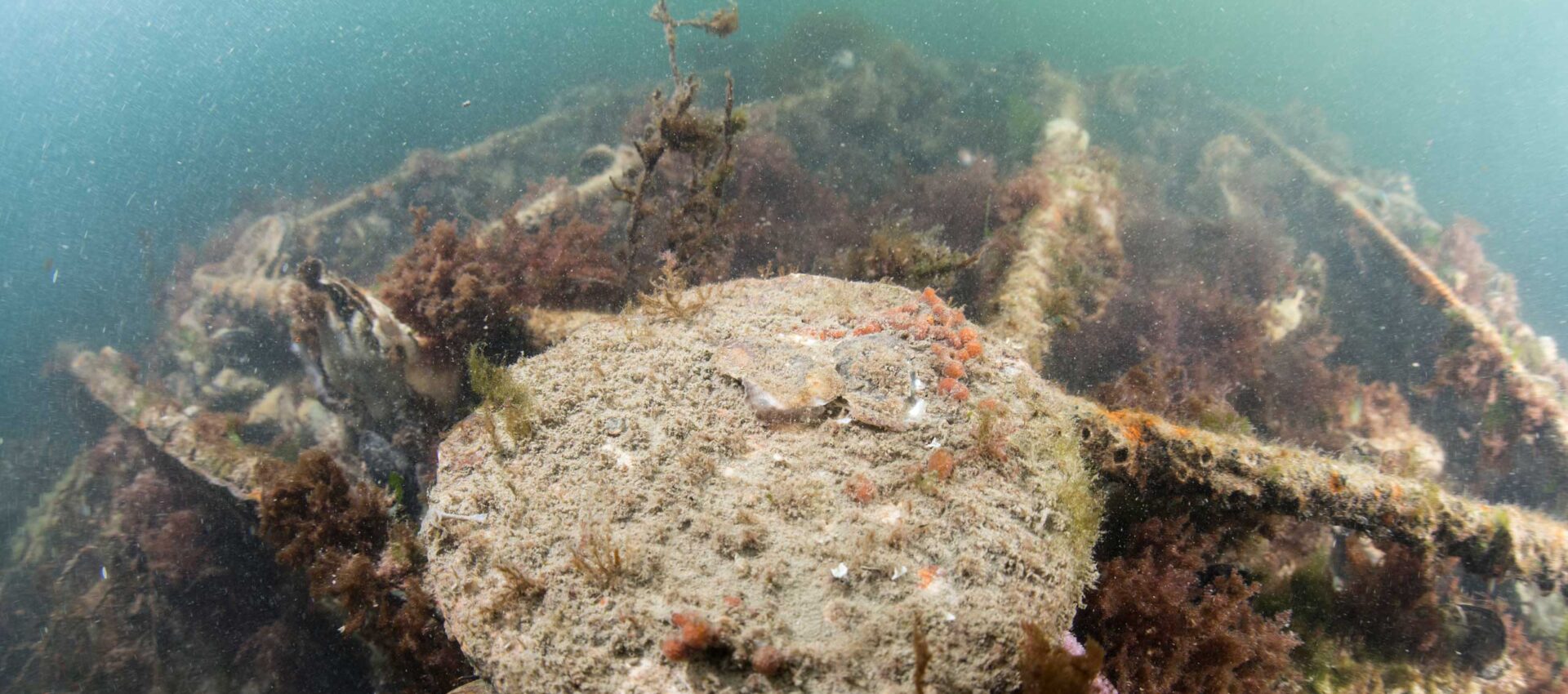

BESE-reef paste can be applied as a coating on a variety of materials and structures to create a more attractive surface area for oyster larvae settlement. Once oysters or other shellfish have colonized the structure, BESE-reef paste starts to dissolve, leaving only the natural system behind. BESE-reef paste is made from crushed waste shells (60-80%) and our proprietary natural binding agent (20-40%).

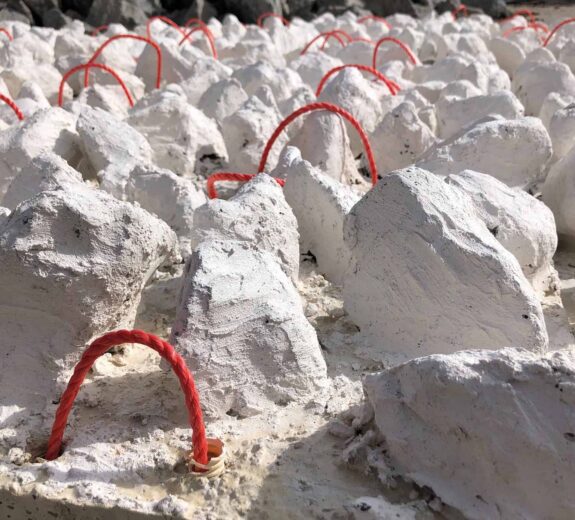
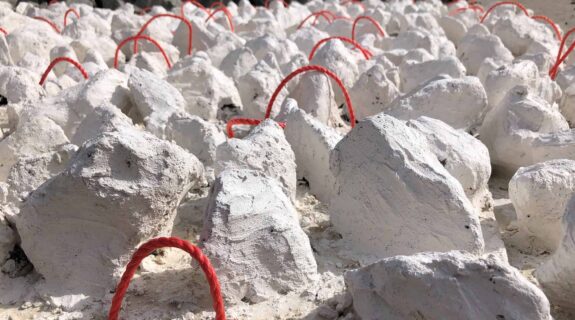
Creating optimal conditions for oysters
The larvae of many shellfish species settle on other shells, which consist mainly of calcium carbonate. BESE-reef paste replaces natural shell material and increases shellfish recruitment rates. This is particularly beneficial in areas:
- where the amount of shell material is limited.
- too dynamic to place loose shells on the sea bed (those with a high chance of burial or movement).
- where artificial reefs are used for ecosystem restoration.
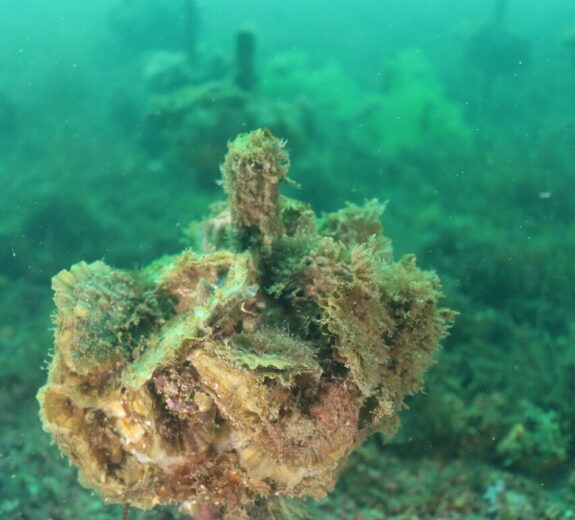
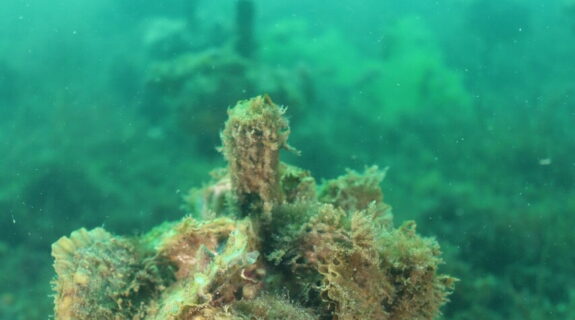
Developed to support native oysters.
BESE-reef paste was developed to aid the restoration of the European flat oyster (Ostrea edulis), a species that is very selective in the type of surface they choose for settlement. By using crushed flat oyster shells in our BESE-reef paste, we are able to mimic a natural reef, thereby creating the most suitable surface for flat oysters. BESE-reef paste has been specifically developed for the European flat oyster, for other species of oysters we advise using crushed shells of the species in question. For more information contact us.
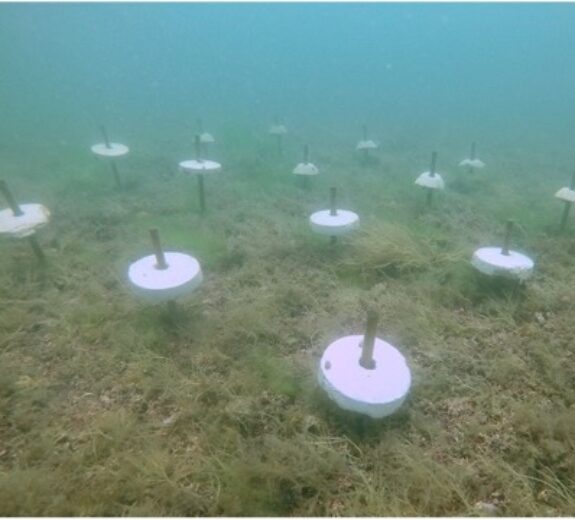
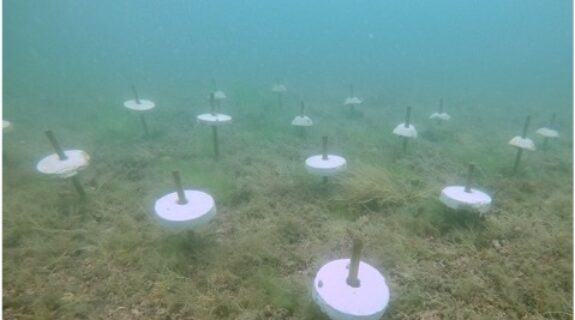
BESE-reef paste moulded into hard substrates and corals
We also design moulds to cast BESE-reef paste into various structures for specific restoration projects. These moulds are specifically designed for optimal curing of the 100% BESE-reef past structures. These structures can be used to create entire artificial reefs, and we are currently developing a paste specifically for coral reef restoration. Field testing of this new paste is set to commence soon, so stay tuned for updates.