
BESE-zip ties

The first 100% biodegradable and biobased zip tie developed for the environment.

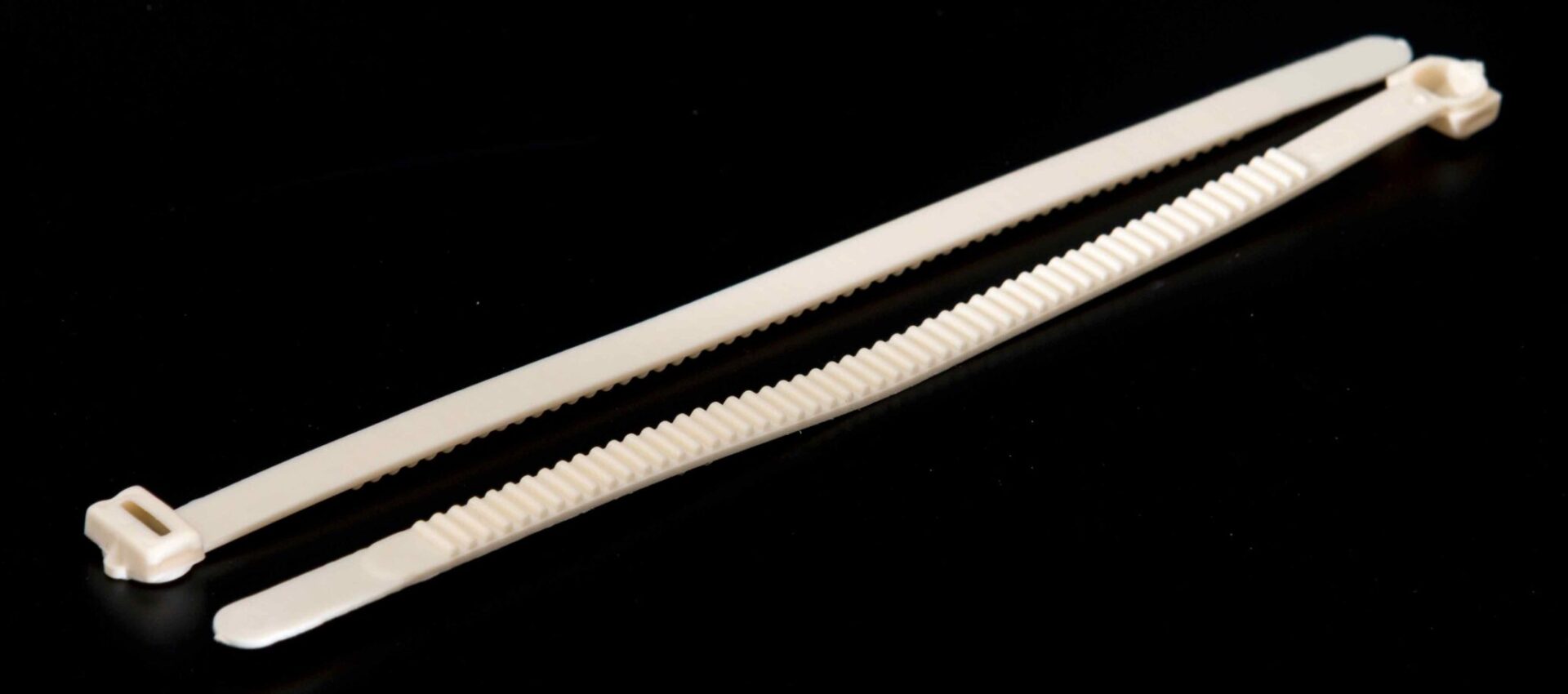
Zip ties offer a fast and convenient solution for securing materials together, such as in restoration projects. Yet traditional zip ties remain in the ecosystem, counteracting conservation aims. BESE-zip ties provide the solution: fully biodegradable zip ties that break down once the materials have become established. These zip ties are made of a starch biopolymer derived from potato waste.

SIZE
220 x 8 mm
PROPERTIES
BESE-zip ties have a breaking force of 17 kg when new.
CERTIFICATION
The biopolymer Solanyl is certified as EN13432 (industrial composting) and certified according TÜV AUSTRIA OK compost. Contains no petrochemical or metallic substances.
BIODEGRADABILITY
Biodegradability depends on environmental conditions and type of use. Under submerged conditions biodegradation takes 1-5 years.

Biodegradable alternative for plastic zip ties

Ecosystem restoration efforts all over the world use plastic zip ties. This plastic, remains as a pollutant in the environment after restoration efforts are complete. BESE-zip ties are biodegradable, meaning that they break down and disappear, leaving only the natural ecosystem behind.
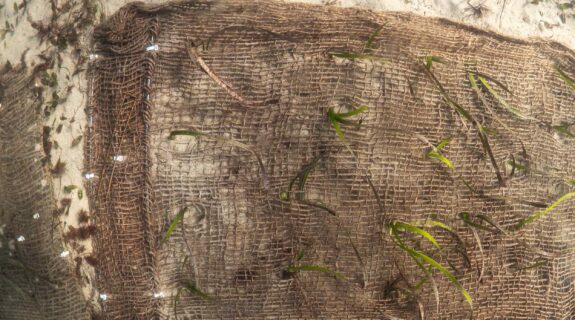
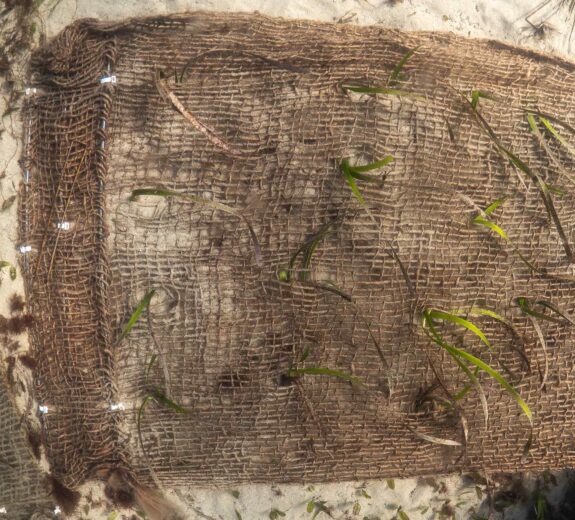
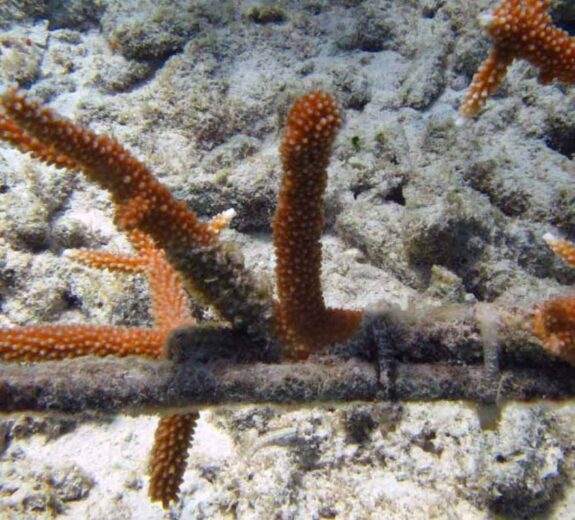
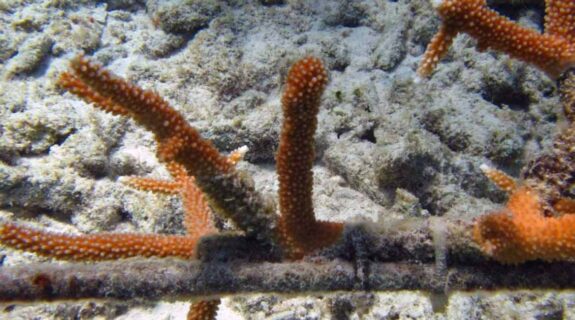
BESE-zip ties have already been fundamental in coral reef restoration projects, and have a multitude of other uses such as fastening seagrasses to BESE-elements.
Become a BESE-zip tie pioneer

We are currently looking to increase the production of BESE-zip ties so that we can reduce prices. As such, we are searching for clients to join us for this stage of the product’s development by ordering large numbers of zip ties (>100,000 units). If enough clients are interested, we can upscale production and lower the prices for you. So, if you are interested in becoming one of our pioneer clients by ordering these biodegradable BESE-zip ties, please contact us using the form below.

FAQ BESE-zip ties

How long does it take for BESE-zip ties to break down?

BESE-zip ties break down over a period of 1 to 5 years. The speed of breakdown is influenced by a range of factors, both biotic and abiotic, such as temperature, oxygen levels, and the types of micro-organisms present in the environment.

What are the BESE-zip ties made of?

BESE-zip ties are made of waste potato starch from the French fries industry.

What is the final product after breakdown?

The potato starch used in BESE-zip ties is broken down by organisms through a process called dissimilation, resulting in the production of carbon dioxide (CO2) and water (H2O) and biomass of microorganisms.

Which ecosystems can benefit from BESE-zip ties?

BESE-zip ties can be used in all types of ecosystems as an alternative for plastic zip ties.

What do BESE-zip ties cost?

We are currently looking to upscale our production to be able to decrease costs. If you are interested in ordering large numbers (>100,000) of BESE-zip ties please get in touch. Unfortunately, at the moment we are unable to sell smaller amounts.

To which countries can you ship your products?

We ship to all countries worldwide. For details of our transport costs please contact us using the form below.