


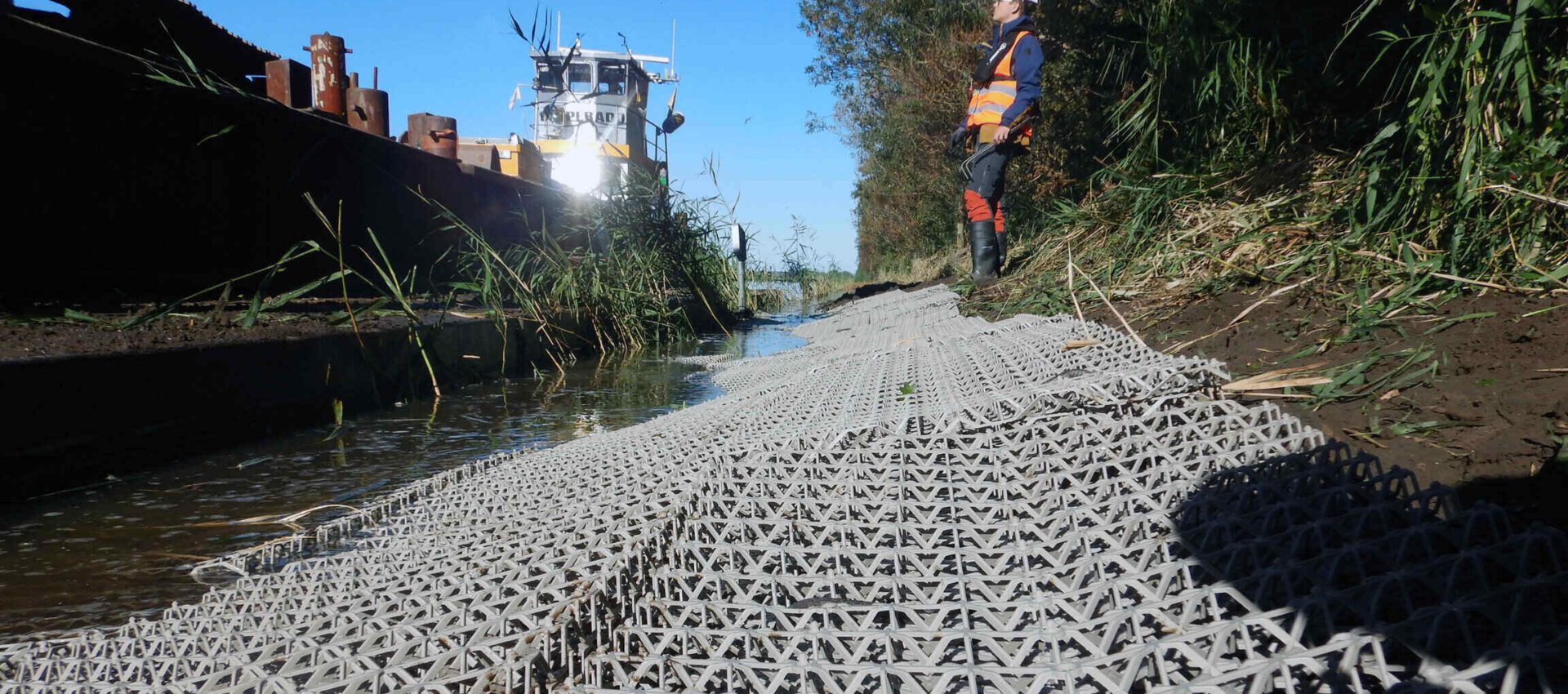

During the construction of a new riverbank, soil erosion often occurs before vegetation can establish stability. BESE-elements effectively prevent this erosion, facilitating the growth of riparian vegetation and promoting a more resilient riverbank ecosystem. Project is constructed in fall 2023, project page will be updated in 2024 with results.
About this project
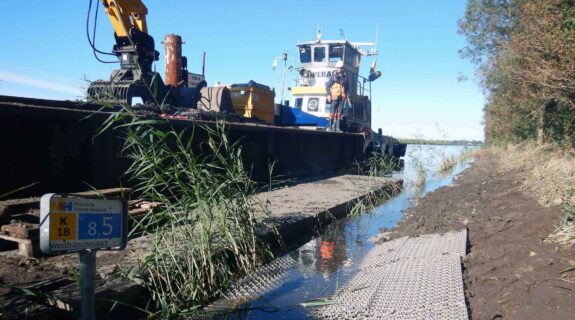
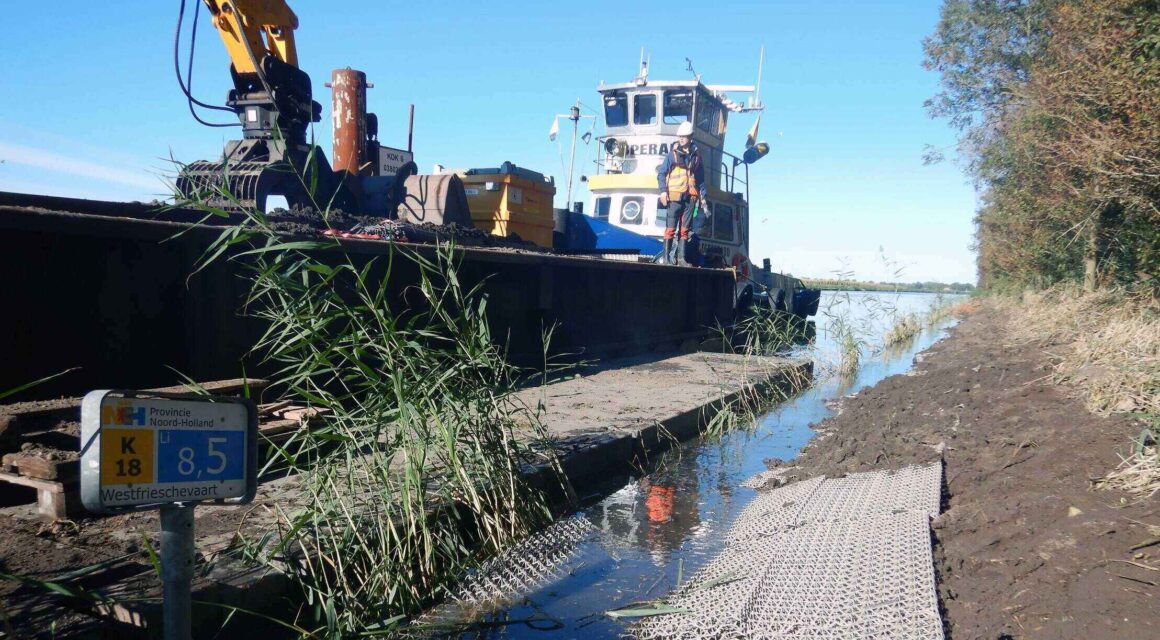
In the pilot project of the Province of Noord-Holland, BESE-elements are placed as a revetment on the slope of a riverbank, to prevent erosion of the riverbank and allow vegetation to grow.

Ecosysteem
• Riverbank
Products
• BESE-elements
Results
• First monitoring round in summer of 2024
Partners
• Beens Groep
• Provincie Noord-Holland

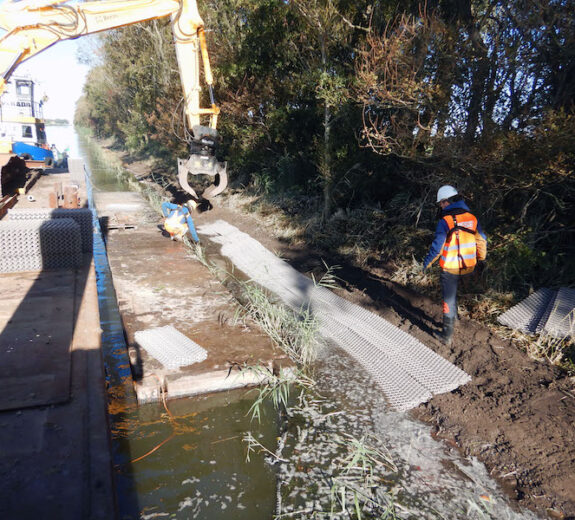
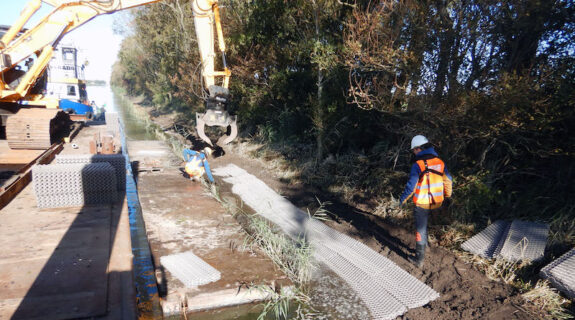
Riverbank restoration
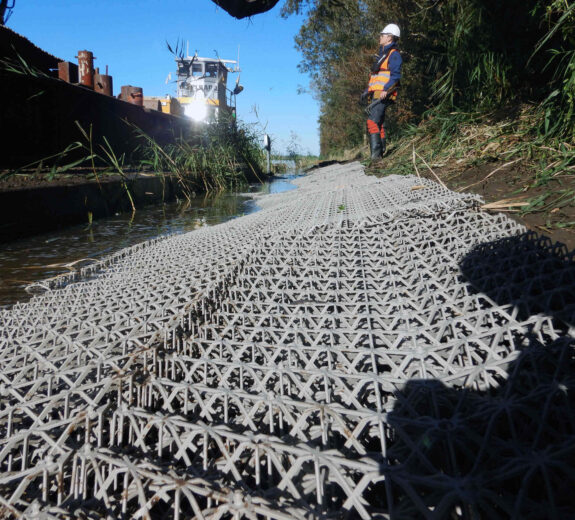
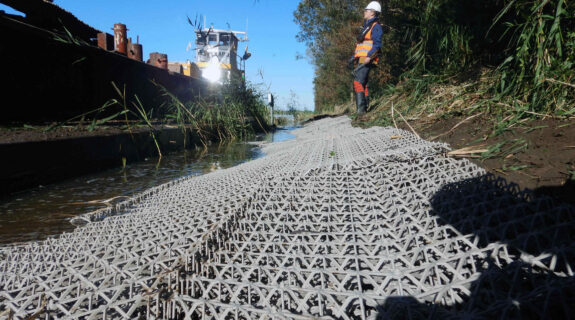
In this pilot project aimed at stabilizing the riverbank, three layers of BESE-elements were utilized to counter both soil instability and wave energy. The BESE-elements were placed on the slope of the riverbank and anchored down with rebar. The BESE-elements provide a foundation for vegetation growth, like reed, which can anchor into the BESE-elements, ensuring future soil stabilization.
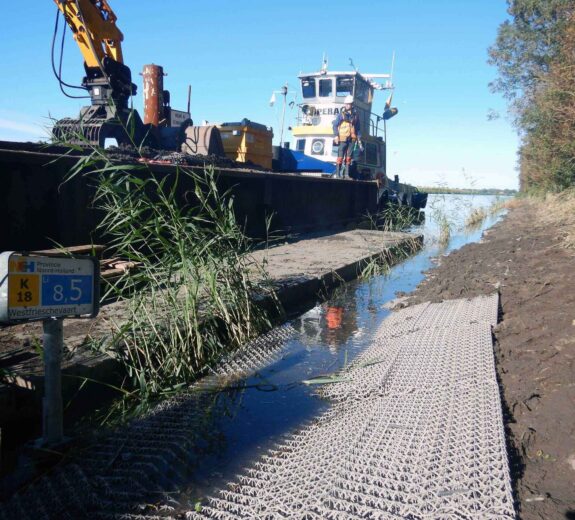
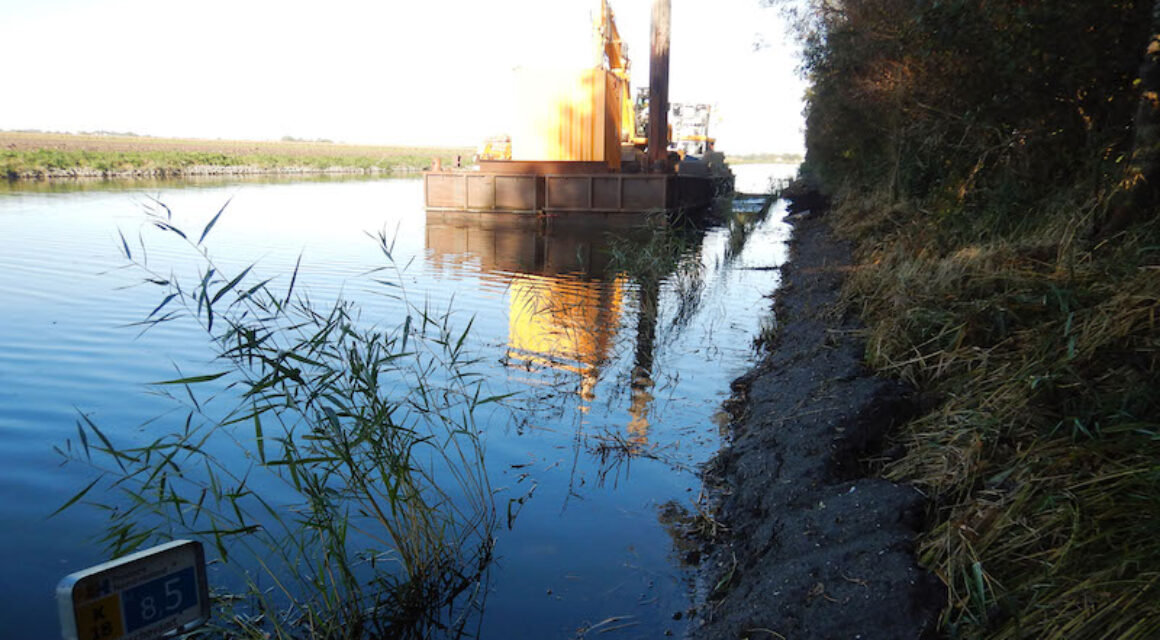
Riverbank without maintenance
Our approach is nature-based, kickstarting natural processes and allowing nature to take over. BESE-elements prevent erosion, providing stabilization and protection for plant germination and growth. After 10-20 years, BESE-elements biodegrade, leaving behind a nature rich and stable riverbank with no maintenance or soil remediation required.
Ecosystem restoration
As the ecosystem is restored, the riverbank becomes not only stabilized but also enriched by nature. Vegetation flourishes and expands, creating more habitats and enhancing water quality for years to come. This restoration effort ensures the long-term health and resilience of the riverbank ecosystem, benefiting both local flora and fauna and the surrounding environment.
Results
Ecosystem restoration provides climate change mitigation and carbon storage
As riverbank vegetation is restored, fish, amphibians, and birds return, enhancing biodiversity and ecosystem resilience. This resurgence contributes to climate change mitigation, as healthier ecosystems boast greater water absorption capacities, enhancing flood and drought resilience. With the return of more animals, the biomass of the system increases, leading to greater CO2 storage—a vital component in mitigating climate change.
Even in densely populated countries like the Netherlands, achieving carbon neutrality and even becoming a carbon sink is possible through ecosystem restoration. Ecosystem restoration alone can help meet 37% of the Paris climate goals, keeping global temperatures below 1.5°C. Not only is ecosystem restoration a relatively accessible solution, but every euro invested yields a societal return of three euros, making it one of the most effective investments available.
Results
• 50 m of riverbank restored
• Erosion halted
• Improved ecosystem
• No plastics used
• No maintenance costs